
Pocket: Touch, Don’t Scroll
With Pocket, Meta is experimenting with a different kind of social content, one built to be touched, played with and remixed rather than simply watched.
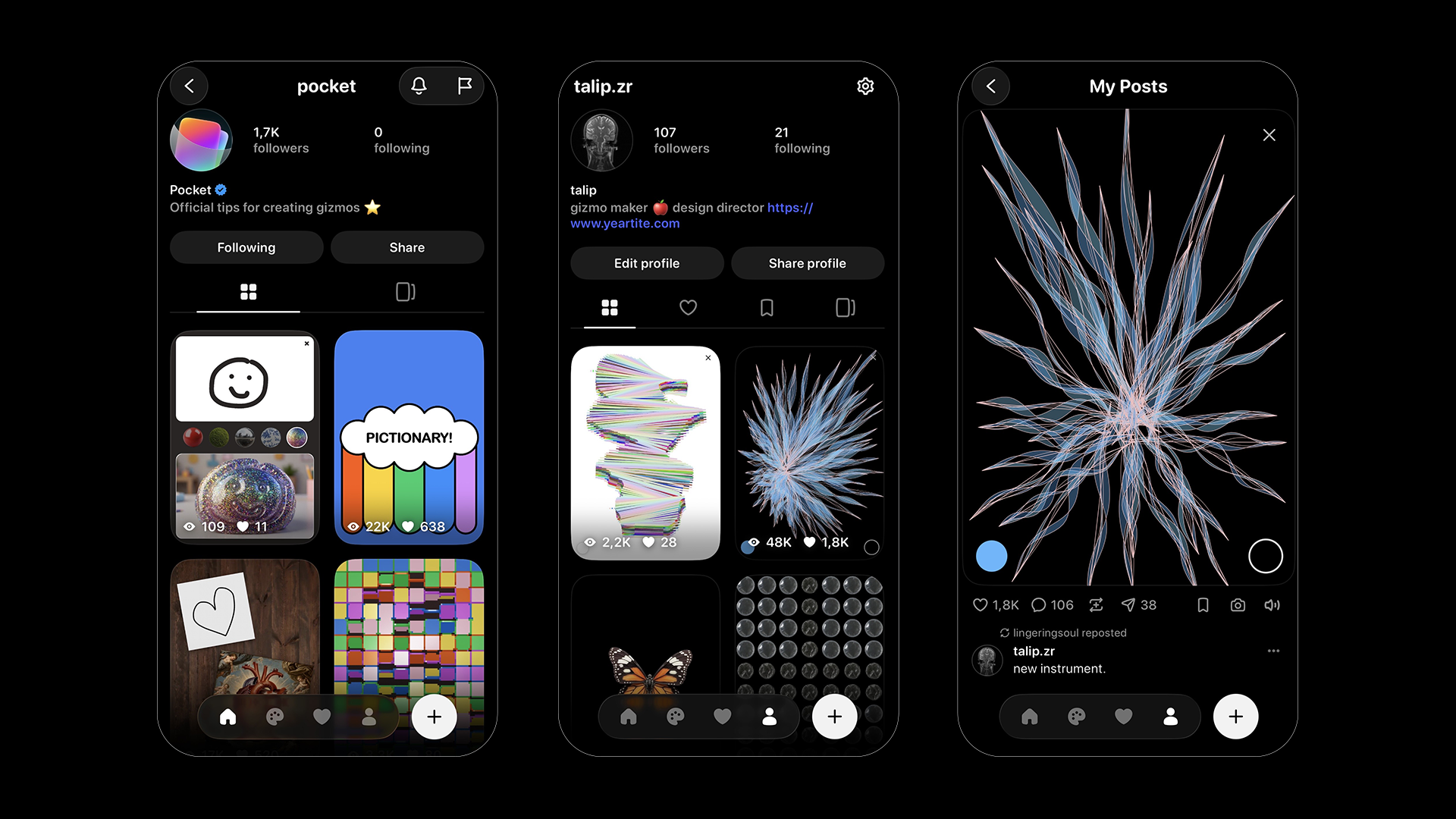
Social media, but playable
Launched by Meta in 2026, Pocket is a creative platform that lets people turn ideas described in plain language into small interactive experiences.¹
Pocket calls these experiences “gizmos.” A gizmo might be a tiny game, a drawing tool, a camera experiment, an interactive visual or something much harder to categorize. You describe what you want to make, get a working starting point, then continue shaping and refining it inside Pocket’s editor before publishing it.²
From Gizmo to Pocket
Pocket did not appear out of nowhere. Behind it is the team that previously built Gizmo, an AI-powered platform based around a very similar idea. Meta brought the team behind Gizmo, Atma Sciences, into the company in early 2026. Pocket emerged as the next iteration of that work under Meta.¹
Pocket first appeared on the App Store and Google Play on June 29, 2026, initially in Brazil.¹ By August, Meta had begun expanding access to users in the United States. Around the same time, the original Gizmo app was shut down, effectively making Pocket the new home for the concept inside Meta.³
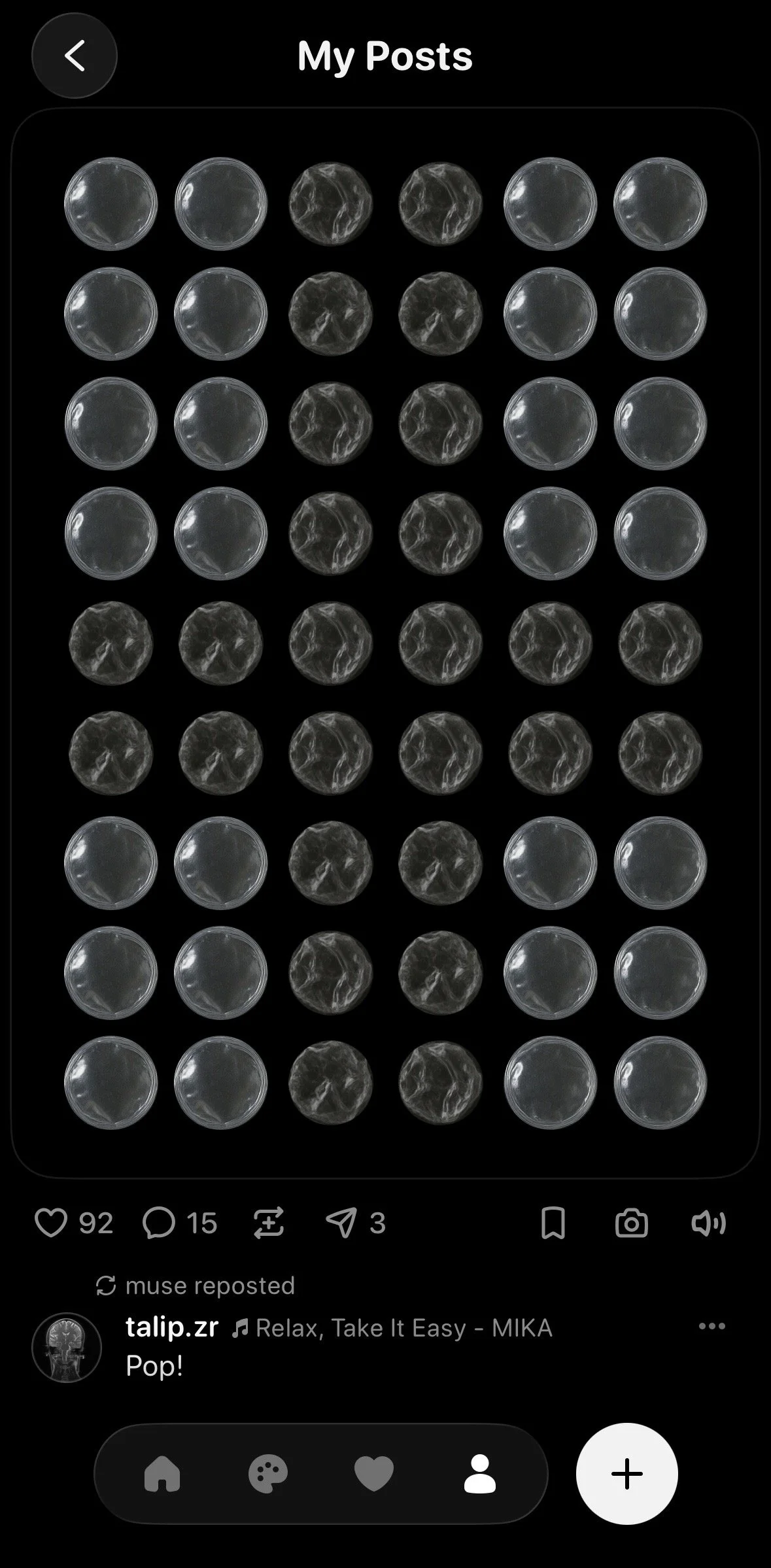
What separates Pocket from a conventional social feed is that its posts are not necessarily passive. Gizmos can respond to touch and the movement of a phone, use sound and music, and access the camera or photo library. People can play what others have made, save it, repost it or remix it into something new.²
So calling Pocket an app for making AI-generated mini games does not quite capture it.
Meta seems to be testing a broader idea of what a social post can be:
A system instead of a photo.
Interaction instead of video.
A user instead of a viewer.
When vibe coding becomes social
The idea of turning natural language prompts into working software has become increasingly visible through the rise of “vibe coding.” Pocket takes that logic out of a traditional development environment and places it directly inside a social feed.¹
Making something and publishing it no longer have to be separate stages. An idea can be generated, tested, adjusted and shared with other people without leaving the same environment.
For Meta, Pocket also sits within a broader effort to make AI-powered creation tools accessible to people who may never think of themselves as developers.¹
Creating on Pocket
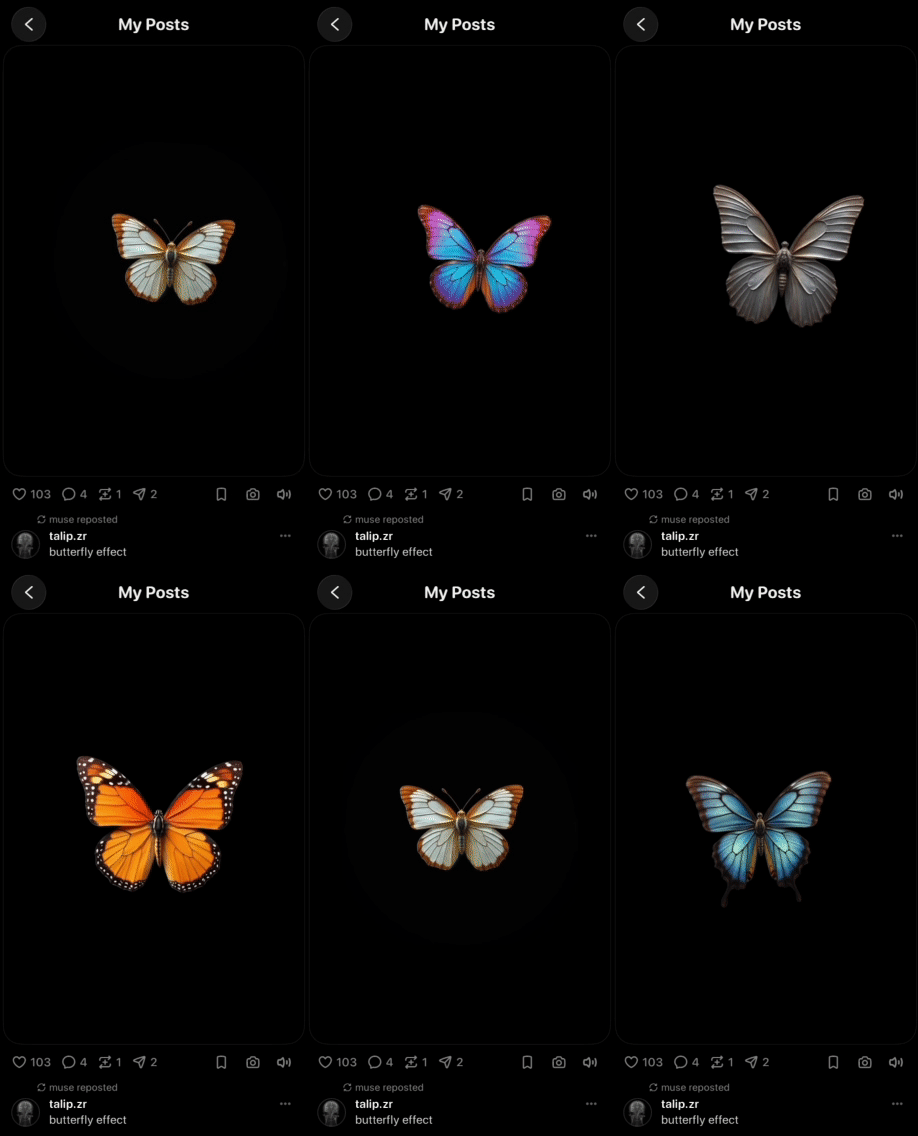
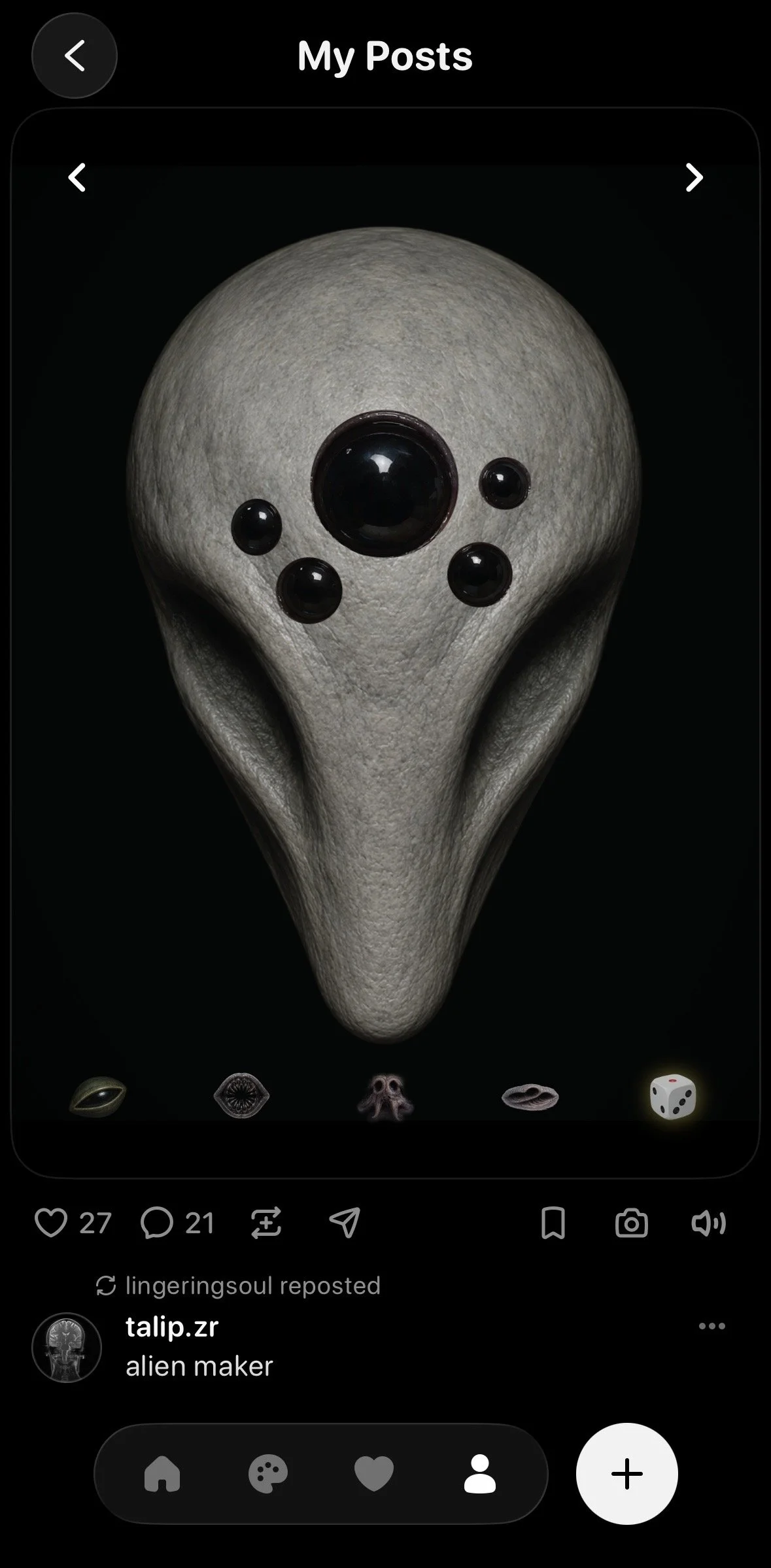
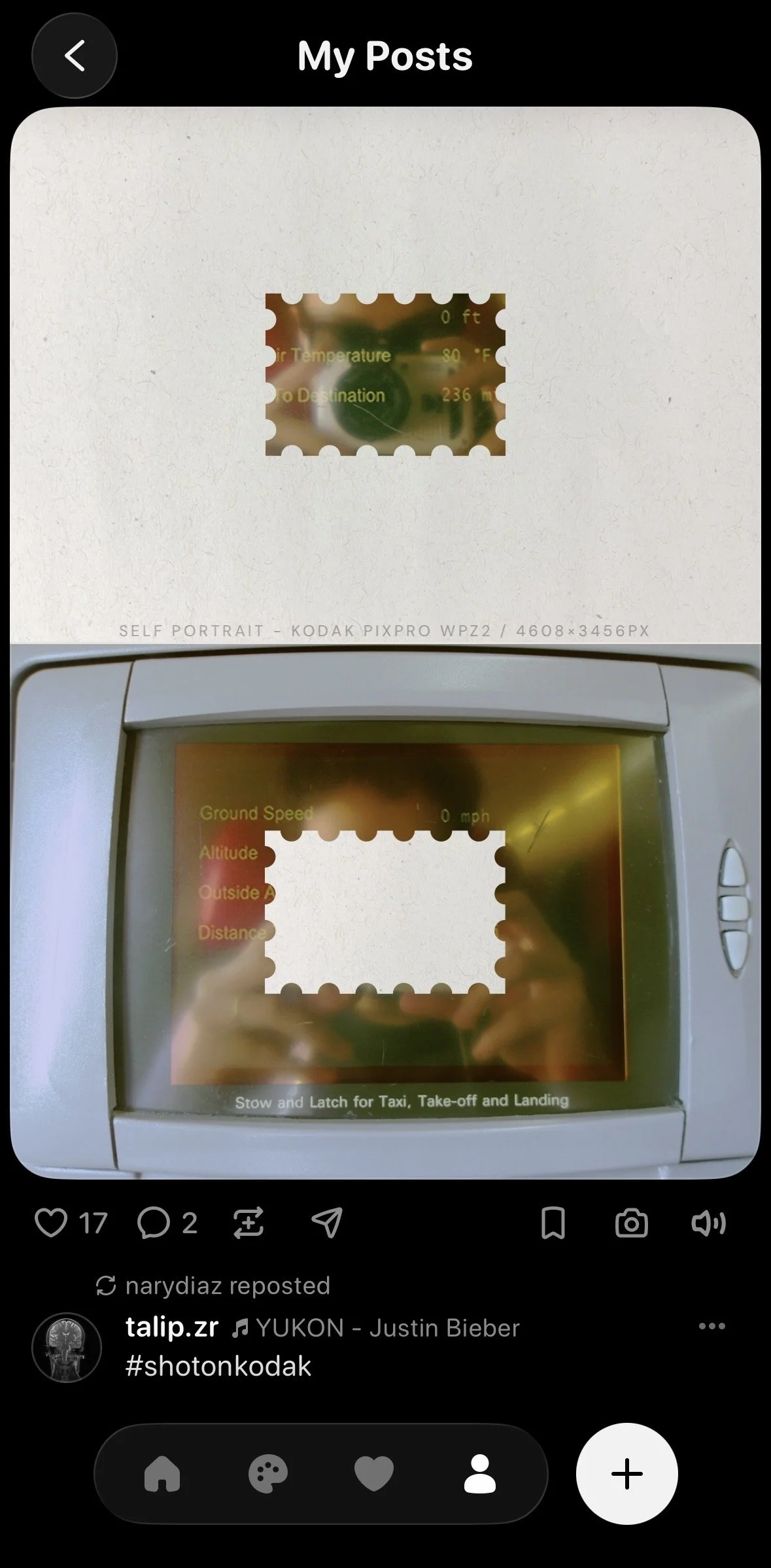
I’m currently creating work for the platform as part of Pocket’s creator program. What interests me most is how quickly the line between content creation, design and prototyping begins to disappear. A post might be a brush, a character builder, a small 3D experiment or simply an idea that reacts to the movement of your phone. That is also the territory I have been exploring through the gizmos I make: how a visual idea can become something you do not just look at, but actually use and play with.
Built on Gizmo’s Momentum
Pocket may be new, but the idea behind it had already found an audience through Gizmo. The platform reached hundreds of thousands of downloads¹, while users around the world created millions of gizmos.⁴
Pocket now builds on that momentum inside Meta’s much larger ecosystem.
It can be touched, changed, played with and remixed.
Sources
¹ Sarah Perez, “Meta quietly launches vibe-coded gaming app Pocket,” TechCrunch, July 2, 2026.
² Pocket: Make Gizmos, Meta Platforms, Inc., Apple App Store.
³ Sarah Perez, “Meta brings Pocket, an app that lets you vibe-code and share games, to US users,” TechCrunch, August 20, 2026.
⁴ Atma Sciences, announcement on Gizmo and the team’s transition to Meta, 2026.